
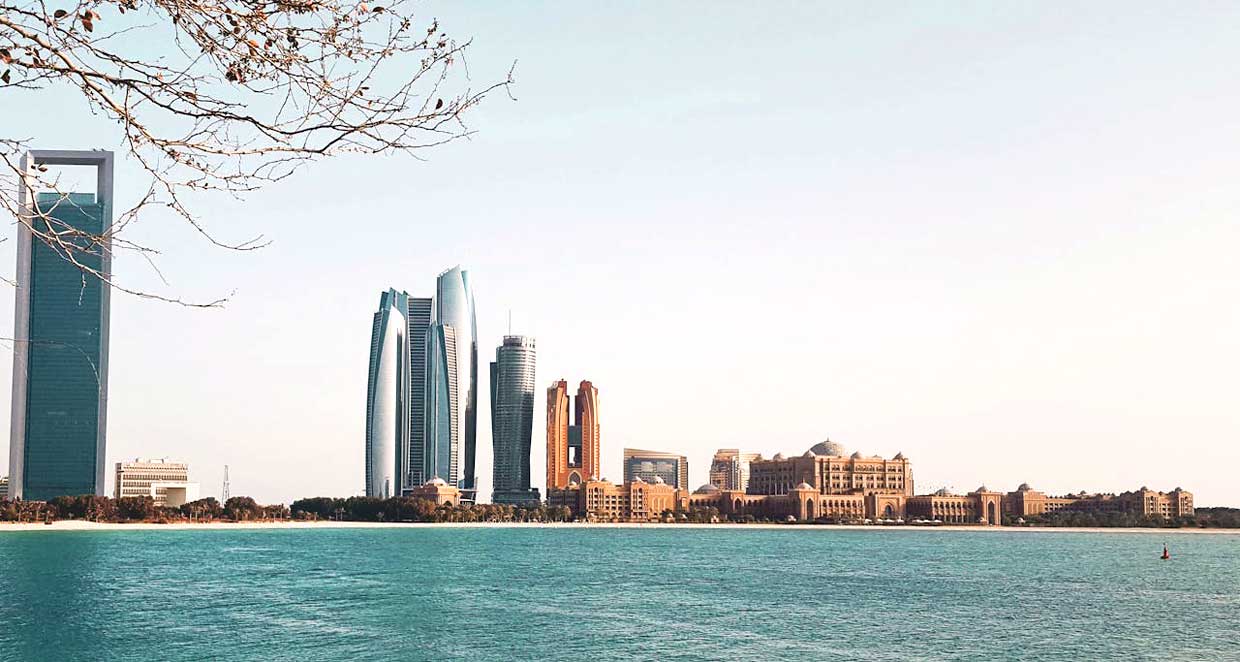
As the world moves toward smarter, more sustainable transportation solutions, Abou Dabi is positioning itself as a leader mondial dans Urban Air Mobility (UAM). With ambitious plans to integrate electric vertical takeoff and landing (eVTOL) aircraft into the city’s transportation network, Abou Dabi is preparing for a revolution in how people travel, work, and experience the city.
This emerging mode of transportation promises not only to address the growing challenges of urban congestion but also to elevate the UAE capital as a hub for innovation et durabilité in the Middle East. Here’s how Urban Air Mobility in Abu Dhabi is shaping up and what the future holds.
What is Urban Air Mobility (UAM)?
Urban Air Mobility refers to the use of aircraft, particularly eVTOLs, for short-distance travel within urban areas. These electric aircraft are designed to be affordable, efficient, and environmentally friendly, offering a fast and flexible alternative to traditional ground transportation. UAM can reduce congestion, increase mobility, and provide a sustainable mode of travel for both individuals and goods.
In Abu Dhabi, this vision is no longer a distant dream but a reality being carefully planned, with eVTOLs et taxis aériens set to take flight in the next few years.
Why Abu Dhabi Is the Perfect Hub for UAM
Abu Dhabi’s focus on innovation, sustainability, et smart city technologies makes it an ideal candidate to lead the charge in Urban Air Mobility. Here are a few reasons why Abu Dhabi is at the forefront of this transportation revolution:
- Commitment to Sustainability: The UAE government has long been committed to reducing carbon emissions and increasing the use of clean technologies. eVTOLs, which are fully electric and produce zéro émission, align perfectly with the UAE’s goal of becoming a global leader in green energy and sustainable development.
- World-Class Infrastructure: Abu Dhabi is known for its state-of-the-art infrastructure and is actively developing new transport hubs, smart cities, et green buildings. L'intégration de vertiports (aircraft landing and takeoff pads for eVTOLs) into the city’s architecture is part of the larger vision to create a seamlessly connected urban ecosystem.
- Strategic Location: Abu Dhabi is ideally situated as a gateway to the wider Gulf Cooperation Council (GCC) region and beyond. Its connectivity with major hubs like Dubai, Sharjah, and the global aviation network makes it an attractive starting point for regional air mobility solutions.
- Support from Government and Industry Leaders: The UAE government is actively supporting the development of Urban Air Mobility, through partnerships with global aviation leaders like Joby Aviation et Archer Aviation. The country’s forward-thinking policies are encouraging the creation of the necessary infrastructure, while the private sector is stepping up to build the technologies required to make air taxis a reality.
How UAM Will Change Travel in Abu Dhabi
- Shorter Travel Times and Reduced Traffic Congestion
Abu Dhabi’s growing population and increasing urbanization have led to challenges in transportation, with traffic congestion becoming a regular issue, especially during peak hours. By introducing taxis aériens and other forms of eVTOLs, Abu Dhabi will significantly reduce travel times. What used to be a 45-minute drive across the city could be cut down to as little as 15 minutes in an air taxi, allowing commuters to bypass ground-level traffic altogether. - Improved Connectivity Between Key Areas
Air taxis will link key hubs in the city, including the Abu Dhabi International Airport (DXB), Yas Island, Île de Saadiyat, and the city center, providing a direct and efficient link to popular areas like business districts, tourism destinations, et residential areas. Additionally, connections to nearby cities such as Dubai et Sharjah will be streamlined, offering a seamless experience for both locals and international travelers. - A Greener, More Sustainable City
One of the primary advantages of Urban Air Mobility is the ability to drastically reduce the carbon footprint of transportation. Traditional cars, buses, and taxis are responsible for significant emissions, but eVTOLs, being fully electric, produce zéro émission during flight. This will play a pivotal role in helping Abu Dhabi meet its environmental goals and transform into a more sustainable et eco-conscious urban environment. - Enhanced Tourism and Business Travel
Abu Dhabi is already known for its world-class tourism and business infrastructure, attracting millions of visitors each year. With the launch of UAM services, business travelers can expect faster and more efficient travel between hotels, airports, and key meeting venues. Similarly, tourists will benefit from air taxi services that give them the opportunity to explore iconic landmarks such as the Grande Mosquée Cheikh Zayed, Louvre Abu Dhabi, et Yas Island—without the hassle of traffic delays.
Key Routes to Expect in Abu Dhabi’s UAM Future
As the UAM network expands, several high-demand routes will be introduced to improve connectivity within Abu Dhabi and beyond:
- Air taxi from Abu Dhabi International Airport (DXB) to Yas Island: This route will cater to both business travelers et tourists. With Yas Island being home to attractions like Monde Ferrari, Yas Marina Circuit, et Warner Bros. World, air taxis will provide a fast and scenic connection to this key destination.
- Air taxi from Downtown Abu Dhabi to Saadiyat Island: Saadiyat Island is known for its cultural institutions like the Louvre Abu Dhabi and upcoming developments such as the Guggenheim Abu Dhabi. Air taxis will provide an efficient way to get between these major cultural hubs.
- Air taxi from Abu Dhabi to Dubai: The connection between Abou Dabi et Dubai, a frequent route for business travelers, will be dramatically improved with air taxis, reducing travel time from 1.5 hours by car to about 30 minutes.
- Air taxi from City to Business Districts: Air taxis will connect the central business districts of Al Maryah Island, Masdar City, et Khalifa City, allowing professionals to travel quickly between meeting locations, offices, and hotels.
The Challenges and Opportunities Ahead
While the potential for Urban Air Mobility in Abu Dhabi is immense, there are still several challenges to overcome. These include:
- Regulatory Approval and Air Traffic Management: Integrating air taxis into the existing airspace without disrupting traditional flight paths will require coordinated regulation and sophisticated air traffic management systems.
- Infrastructure Development: Building the necessary vertiports, charging stations, and maintenance facilities will require substantial investment and strategic planning.
- Public Acceptance: The adoption of new technologies often requires public trust. Ensuring that passengers feel confident in the safety and reliability of air taxis will be key to success.
However, these challenges present opportunities for Abu Dhabi to innovate and set the standard for sustainable urban mobility. By investing in infrastructure, collaborating with international partners, et encouraging innovation, Abu Dhabi can maintain its leadership position in the global aviation landscape.
The Future of Urban Air Mobility in Abu Dhabi
As Abou Dabi accelerates its efforts to become a global smart city, Urban Air Mobility will undoubtedly play a pivotal role in shaping the future of transportation. By offering fast, sustainable, and efficient alternatives to traditional ground transport, UAM will not only enhance the daily lives of residents and visitors but also drive the UAE’s commitment to sustainable development.
In the coming years, eVTOLs will transform the way we view travel, turning once-impassable distances into quick, seamless commutes. With Archer Aviation, Joby Aviation, and other innovators leading the charge, the future of taxis aériens dans Abou Dabi is not just about cutting-edge technology; it’s about shaping a future where mobility is faster, greener, and more connected than ever before.
The rise of Urban Air Mobility in Abu Dhabi marks the beginning of a new era of transportation innovation, and the city is well-positioned to become a leader mondial in the field. As the technology matures and services roll out, Abu Dhabi’s commitment to creating a more sustainable, efficient, and connected urban environment will be on full display, benefiting businesses, tourists, and residents alike.

 Français
  English
  Kiswahili
  English (UK)
Comment (0)