
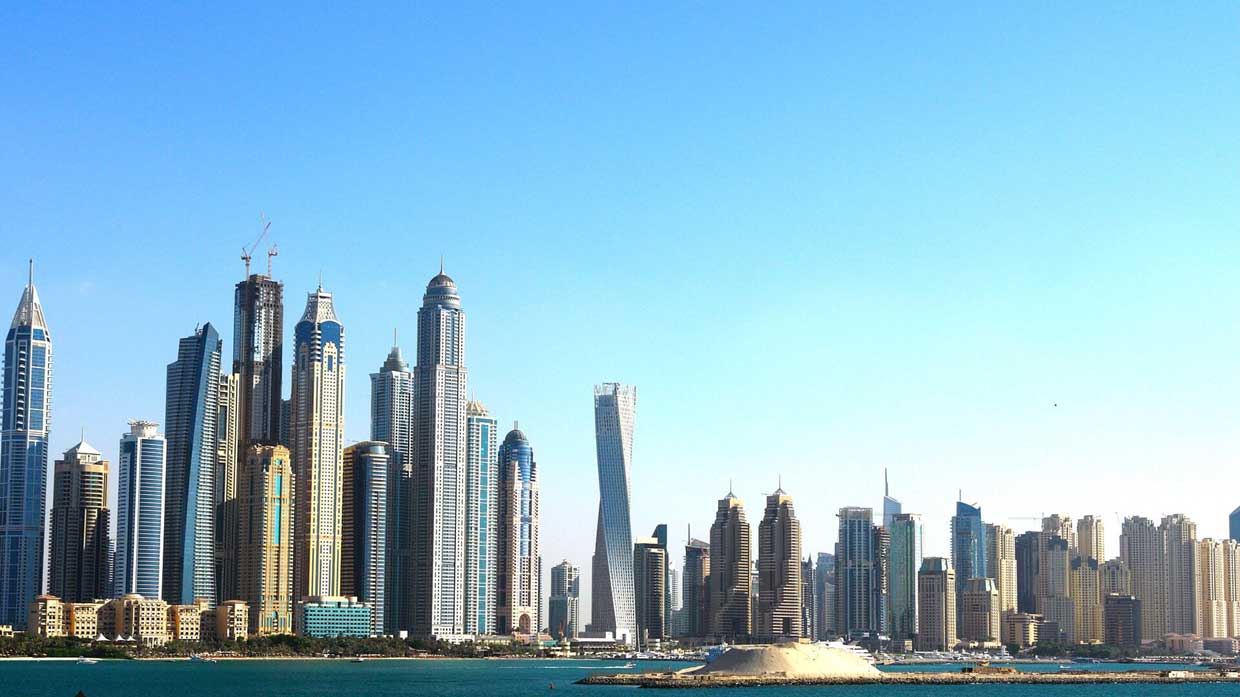
The UAE is rapidly emerging as a global leader in smart city development, blending cutting-edge technology, sustainability, and innovation to create futuristic urban spaces. At the heart of this transformation lies the seamless integration of Urban Air Mobility (UAM), particularly the use of electric vertical takeoff and landing (eVTOL) aircraft and air taxis, as part of the UAE’s commitment to revolutionizing transportation and urban infrastructure.
As cities around the world are becoming smarter through data analytics, AI, and IoT technologies, the UAE is ahead of the curve by not only focusing on ground-based infrastructure but also investing in air mobility. The synergy between smart cities and air taxis will dramatically enhance the way people live, work, and travel, shaping the future of urban transportation.
1. The Foundation of Smart Cities in the UAE
The UAE is transforming cities like Dubai and Abu Dhabi into smart cities, powered by advanced technologies that improve everything from traffic management and healthcare to energy efficiency and communication systems. The UAE Vision 2021 and UAE Centennial 2071 set ambitious goals for the country to become a global leader in innovation and technology, particularly in the areas of urban mobility and sustainable living.
Key Smart City Features:
- Sustainable Urban Design: Urban areas are being designed with energy-efficient buildings, green spaces, and smart grids to optimize resource consumption and reduce environmental impact.
- Connected Infrastructure: The use of IoT and AI to create connected ecosystems for traffic management, waste management, and energy use.
- Autonomous Transportation: The UAE is a pioneer in planning and implementing autonomous transportation systems, from self-driving cars to air taxis.
These smart city concepts lay the perfect groundwork for the integration of Urban Air Mobility (UAM), as air taxis and eVTOLs require intelligent infrastructure to operate efficiently and safely.
2. Integrating Air Mobility into Smart Cities
Air mobility plays a critical role in the future of urban transport, especially in dense cities like Dubai and Abu Dhabi, where traffic congestion is a challenge. The synergy between smart city principles and air taxis will ease transportation bottlenecks and provide a more sustainable and efficient solution for moving people across urban areas.
The Role of eVTOLs and Air Taxis:
- Reduced Congestion: With eVTOL air taxis, urban residents can bypass traffic jams, avoiding lengthy travel times and making commuting faster, smoother, and more convenient.
- On-Demand Transportation: The use of smart technology in cities will allow passengers to book air taxis through mobile apps, just as they would for ride-hailing services like Uber, with real-time flight tracking and seamless payment options.
- Vertiports as Hubs of Connectivity: Special vertiports in the UAE—designed for takeoff, landing, and maintenance of eVTOL aircraft—will be integrated into the urban fabric, located near key landmarks such as Dubai Marina, Dubai International Airport, and the Dubai Mall. These vertiports will serve as critical hubs that connect the sky with existing transportation infrastructure, creating a truly multi-modal transport system.
3. The Role of Smart Technology in Air Mobility
The use of smart technologies will enable the successful integration of air mobility into the UAE’s urban fabric. These technologies will be critical for ensuring the efficiency, safety, and scalability of air taxis and eVTOL operations.
Key Technologies Powering Air Mobility:
- Artificial Intelligence (AI): AI will be used for air traffic management, flight optimization, and predictive maintenance to ensure safety, efficiency, and the seamless operation of eVTOL aircraft.
- 5G Connectivity: Fast, reliable 5G networks will be crucial for communication between aircraft, vertiports, and control centers. This will ensure real-time updates for air traffic control and provide passengers with uninterrupted service.
- Autonomous Flight Systems: Many eVTOLs will be designed to fly autonomously, eliminating the need for a pilot and enabling faster, safer, and more efficient operations. These self-flying vehicles will be supported by advanced navigation systems and AI-powered decision-making to avoid potential hazards.
- Data Analytics: Smart cities in the UAE will harness big data and predictive analytics to improve traffic flow, monitor air quality, and track passenger demand for air taxis, adjusting operations to meet real-time needs.
4. Sustainable Air Mobility: A Green Future for Urban Transportation
The UAE is committed to achieving a sustainable future, and air mobility is no exception. eVTOL aircraft are fully electric and produce zero emissions, aligning perfectly with the UAE’s environmental goals and plans to reduce carbon footprints across urban areas.
Green Benefits of eVTOLs:
- Reduced Air Pollution: As electric-powered vehicles, eVTOLs emit no CO2 or harmful pollutants, contributing to improved air quality and a greener city.
- Quiet Operations: One of the biggest advantages of eVTOLs over traditional helicopters and airplanes is their quieter operation. This makes them ideal for urban environments, where noise pollution is a concern.
- Energy-Efficient Transport: The integration of solar-powered charging stations and electric grids will allow for even more sustainable operations, as eVTOLs will charge using renewable energy sources.
By reducing reliance on traditional ground-based transportation, eVTOLs and air taxis will contribute significantly to the UAE’s sustainability goals.
5. Economic and Social Benefits of Air Mobility in Smart Cities
The integration of air mobility systems into the UAE’s smart cities will have far-reaching economic and social benefits. Not only will air taxis create new jobs and support economic growth, but they will also provide a better quality of life for residents and visitors.
Economic Growth:
- Job Creation: The development of air taxi services will require skilled professionals in areas such as aviation, aircraft maintenance, data management, and air traffic control.
- Boost to Tourism: Air taxi in UAE booking will offer tourists a unique way to explore the city’s most iconic landmarks, creating new opportunities for the tourism industry.
- Increased Business Productivity: For business professionals, air taxis will enable faster commutes, allowing them to attend meetings, conferences, and events in record time.
Social Benefits:
- Improved Mobility: Air mobility will provide faster and more affordable access to key areas of the city, improving transportation for residents who might otherwise struggle with traffic congestion.
- Accessibility for All: With the planned subsidized services and public transport integration, air mobility can become an affordable option for a broader demographic of people, not just the affluent.
6. The Future of Smart Cities and Air Mobility in the UAE
The UAE is undeniably leading the way in integrating air mobility within its smart cities. With world-class infrastructure, a strong regulatory framework, and a vision for a sustainable future, the UAE is poised to be the global hub for urban air mobility. As cities like Dubai and Abu Dhabi continue to expand and modernize, air taxis will seamlessly complement the country’s existing public transport systems, ensuring that the UAE remains a global beacon of innovation.
In the next decade, we can expect to see eVTOLs and air taxis become a regular part of the UAE’s urban landscape, transforming how people travel, interact with their cities, and experience the future of transportation. With sustainability, efficiency, and convenience at the forefront, the synergy between smart cities and air mobility will redefine urban living for generations to come.

 English (UK)
  English
  Kiswahili
  Français
Comment (0)