
The United Arab Emirates (UAE) is known for its forward-thinking vision, cutting-edge architecture, and transformative infrastructure. In recent years, the nation has made significant strides in revolutionizing urban mobility with the introduction of air taxis and electric vertical takeoff and landing (eVTOL) aircraft. At the heart of this new aerial transport revolution are vertiports – specialized hubs where these flying vehicles take off, land, and recharge.
As the UAE prepares to embrace the future of air mobility, vertiports are set to play a critical role in shaping the way residents and tourists travel across the country. Here’s everything you need to know about vertiports and their role in the UAE’s rapidly evolving transportation landscape.
What Are Vertiports?
Vertiports are dedicated facilities designed for the operation of vertical takeoff and landing (VTOL) aircraft, such as air taxis, drones, and other eVTOL vehicles. Unlike traditional airports, which are designed for fixed-wing aircraft and large commercial planes, vertiports are tailored for smaller, electric, or hybrid vehicles that take off and land vertically, without the need for long runways.
These hubs are designed to provide safe and efficient spaces for takeoff, landing, maintenance, and even charging. Vertiports typically consist of:
- Takeoff and Landing Pads: Vertiports have multiple takeoff and landing zones that allow eVTOLs to ascend and descend vertically.
- Charging Stations: Electric aircraft require charging, and vertiports are equipped with the infrastructure to support rapid battery swaps or charging stations.
- Passenger Facilities: While smaller than traditional airports, vertiports may feature lounges, check-in counters, and even retail spaces for passengers.
Why Are Vertiports Important for the UAE?
1. Transforming Urban Mobility
One of the key drivers behind the rise of vertiports is the UAE’s ambition to revolutionize urban mobility. With the growing population in cities like Dubai and Abu Dhabi, traffic congestion is a challenge. Air taxis and eVTOLs offer a unique solution by bypassing the road network and flying passengers directly to their destinations.
Vertiports provide the necessary infrastructure for these aerial vehicles to operate seamlessly within the city’s transportation system, connecting business districts, airports, residential areas, and tourist attractions quickly and efficiently.
2. Supporting Sustainability
Sustainability is at the core of the UAE’s national vision, and vertiports play a significant role in promoting eco-friendly transport. eVTOLs are typically electric or hybrid vehicles, meaning they produce far fewer emissions compared to traditional vehicles. With the UAE aiming to reduce its carbon footprint, vertiports support the shift toward a greener, more sustainable mode of transportation.
Additionally, as more vertiports are integrated with solar power and other renewable energy sources, they can help further minimize the environmental impact of urban mobility.
3. Boosting Tourism and Business
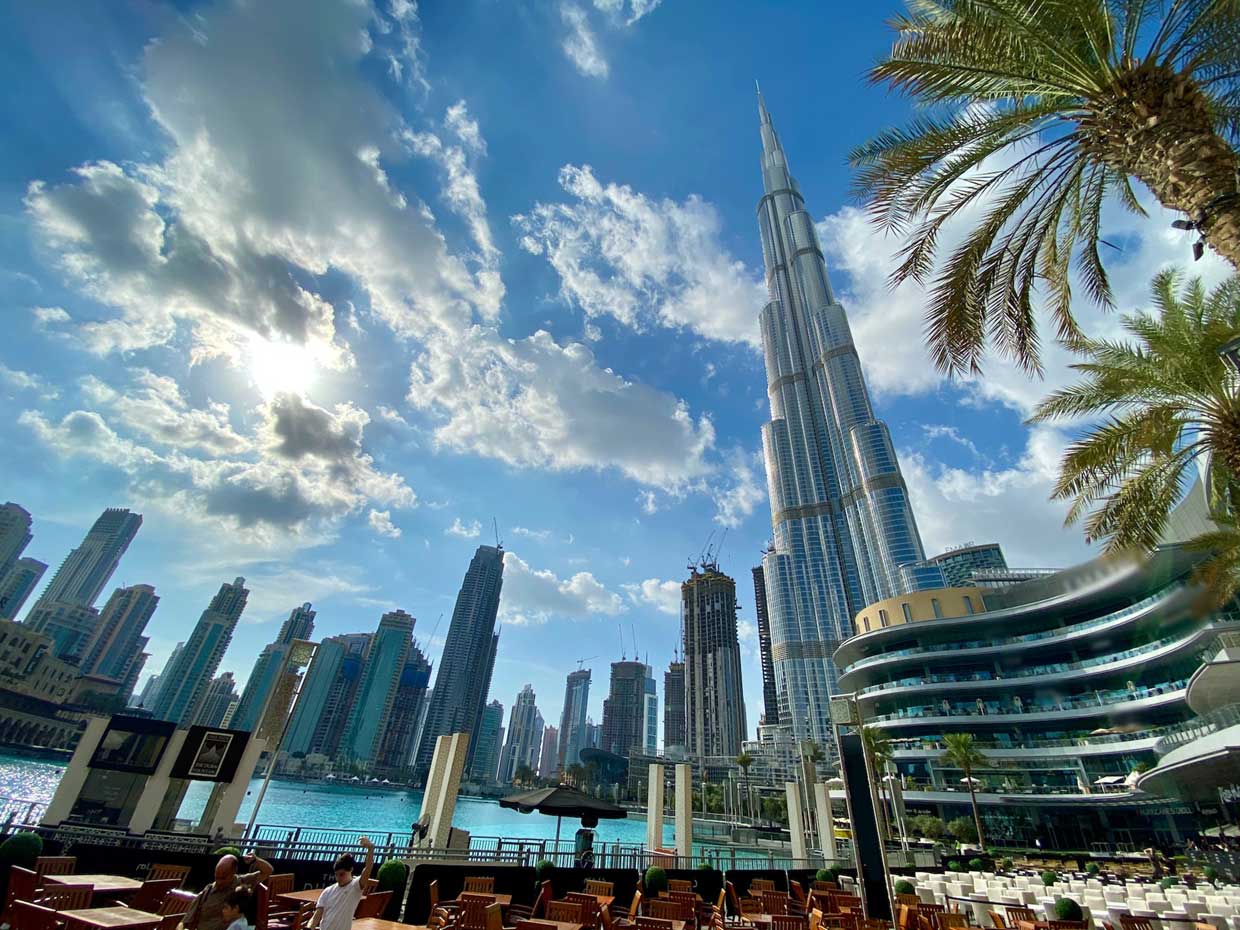
The UAE is a global hub for tourism and business, attracting millions of visitors every year. Vertiports could play a pivotal role in enhancing the tourism experience by offering seamless transportation between key tourist destinations, luxury resorts, and major landmarks such as the Burj Khalifa, Palm Jumeirah, and Expo City.
For business travelers, vertiports provide a fast, convenient alternative to traditional modes of transport, enabling them to attend meetings and conferences without wasting time in traffic. As such, vertiports will not only enhance the UAE’s tourism industry but also position the country as a leader in the future of business and tech travel.
Key Vertiports Projects in the UAE
The UAE has already made significant investments in vertiports and urban air mobility infrastructure. Here are a few noteworthy projects:
1. The Dubai Air Mobility Initiative
Dubai is leading the charge in developing air mobility solutions, and vertiports are a key component of this vision. The Dubai Air Mobility Initiative is an ambitious project that aims to develop a network of vertiports across the city. The initiative is part of the broader Dubai 2040 Urban Master Plan, which envisions a city where air taxis are a regular mode of transport.
Several potential vertiport locations have been identified in Dubai, including near airports, major commercial hubs, and residential neighborhoods. Dubai’s strategic location, coupled with its state-of-the-art infrastructure, makes it an ideal city for the widespread adoption of air mobility solutions.
2. Abu Dhabi’s Commitment to Sustainable Transport
Abu Dhabi, the capital of the UAE, is also exploring the integration of vertiports into its urban infrastructure. The city has been actively investing in sustainable technologies, and vertiports are seen as essential for supporting the future of electric air mobility.
With developments like Saadiyat Island and the Abu Dhabi International Airport (AUH) serving as potential vertiport hubs, Abu Dhabi is positioning itself as a key player in the emerging air mobility market.
3. Future Hub at Expo City Dubai
Expo 2020 Dubai has left a lasting legacy, and one of the exciting features of Expo City Dubai is its commitment to building infrastructure for advanced technologies, including air mobility. As Expo City becomes a new business and cultural hub, it’s expected that vertiports will play a role in providing connectivity within the city and to other key areas across Dubai.
Challenges and Considerations for Vertiports in the UAE
While the vision for vertiports in the UAE is promising, several challenges need to be addressed:
- Regulatory Framework: As with any new technology, regulatory frameworks will need to be established to ensure the safe operation of eVTOLs. This includes air traffic control, safety standards, and certification processes.
- Integration with Existing Infrastructure: Vertiports need to be seamlessly integrated with existing transport networks, such as taxis, buses, and metro services, to ensure a smooth and convenient experience for passengers.
- Public Perception and Adoption: While the UAE is known for embracing innovation, the public’s trust in new technologies like air taxis will be crucial. Education and outreach efforts will be essential in getting people comfortable with the idea of flying taxis.
The Future of Vertiports in the UAE
As the UAE continues to invest in cutting-edge technologies, vertiports will play a central role in the transformation of urban air mobility. The UAE government has demonstrated a strong commitment to innovation, and vertiports are poised to become a critical component of the country’s transport ecosystem.
With projects already underway in Dubai, Abu Dhabi, and other emirates, the vision for a connected, sustainable, and efficient urban air transport network is closer than ever. The combination of electric air taxis and advanced vertiports will not only change the way people travel but will also further cement the UAE’s position as a global leader in innovation and sustainability.
Conclusion: The Role of Vertiports in the UAE
Vertiports are more than just futuristic airports for air taxis—they are part of the UAE’s larger strategy to redefine urban mobility. As the country embraces electric vertical takeoff and landing aircraft, vertiports will become vital infrastructure that supports rapid, sustainable, and efficient transport.
Whether you’re a local or a visitor, it’s clear that the future of travel in the UAE is taking to the skies, and vertiports will be at the heart of this exciting revolution.
Let me know if you’d like any adjustments!

 English (UK)
  English
  Kiswahili
  Français
Comment (0)