
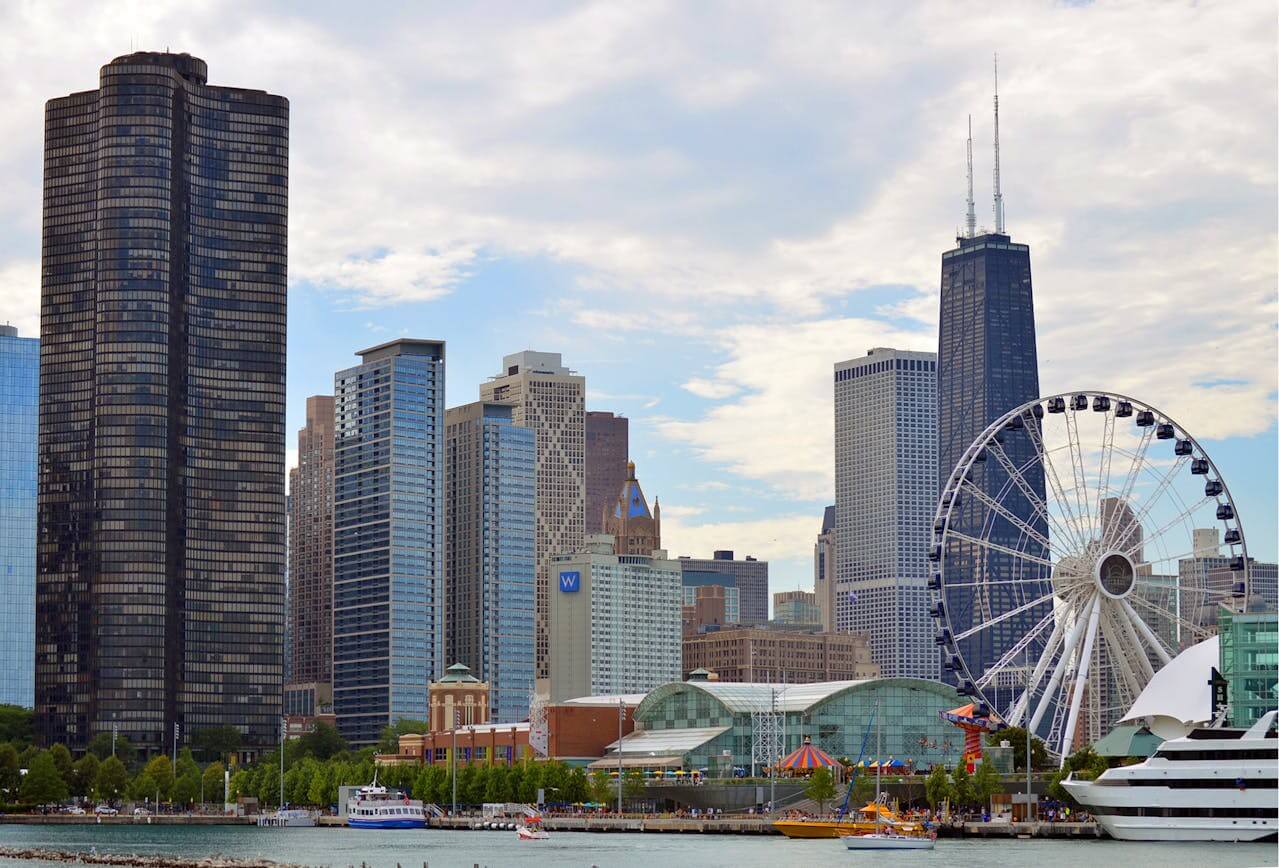
As autonomous vehicle technology evolves, the question on many Chicago residents’ minds is: where can I actually ride a robotaxi in Chicago? Understanding the current operational zones and future expansion plans helps paint a clearer picture of how self-driving taxis will integrate into the city’s complex transit ecosystem. In this comprehensive article, we explore the present status of robotaxi Chicago routes, pilot programs, and how autonomous ride-hailing may soon reach neighborhoods beyond downtown.
Chicago, with its diverse neighborhoods, heavy traffic, and iconic landmarks, offers a unique testing ground for robotaxi providers. Let’s look closely at where robotaxi Chicago services are available now and where they are headed next.
Current Operating Zones of Robotaxi in Chicago Services
While fully commercial robotaxi in Chicago booking services are still emerging, several pilot programs and testing initiatives provide a snapshot of current operational areas.
The Loop and Downtown Core
The downtown area, including The Loop, serves as the primary testing ground for robotaxi services. With its high density of commuters, well-mapped streets, and significant commercial activity, The Loop offers an ideal environment for early deployment.
Robotaxis currently navigate major streets such as State Street, Wacker Drive, and Michigan Avenue, connecting key points like Union Station, Millennium Park, and the Chicago Riverwalk.
Near North Side and River North Districts
These vibrant neighborhoods, known for their residential high-rises, tech startups, and nightlife, provide suitable conditions for robotaxi Chicago trials. Relatively predictable traffic and well-maintained roads support safe autonomous vehicle operations.
Hyde Park and University of Chicago Area
In collaboration with local institutions, some robotaxi testing has expanded to Hyde Park, home to the University of Chicago. This area presents a mix of residential streets and institutional zones, testing vehicle adaptability in varied urban environments.
O’Hare International Airport Vicinity
O’Hare Airport, one of the busiest airports in the world, is a strategic location for robotaxi services. Pilot programs envision last-mile transport solutions for travelers, linking terminals with public transit and parking facilities.
How Robotaxi Chicago Routes Are Selected
Route selection for robotaxi Chicago services is driven by several factors:
- Safety and Predictability: Routes are chosen where traffic and pedestrian patterns are well-understood and manageable for autonomous systems.
- Infrastructure Readiness: Areas with clear road markings, reliable GPS signals, and connected infrastructure are prioritized.
- Demand Concentration: High-traffic zones with potential ridership support service viability.
- Regulatory Approval: Routes must comply with city and state regulations for autonomous vehicle operation.
Planned Route Expansions and Future Growth
Robotaxi Chicago providers have ambitious plans to extend services across more neighborhoods and corridors as technology and regulatory frameworks mature.
Expanding to the West Loop and Fulton Market
Known for its tech companies and growing residential developments, the West Loop and Fulton Market districts are logical next steps for robotaxi expansion. The area’s blend of commercial and residential traffic offers a new challenge for autonomous navigation.
River South and South Loop Growth
As these neighborhoods experience development and increased transit demand, robotaxi Chicago services are expected to follow. The South Loop, with museums, parks, and residential complexes, presents opportunities for integrated mobility solutions.
Near Suburban Extensions
Future plans include extending autonomous taxi services to near suburbs such as Oak Park and Evanston. This expansion would improve regional connectivity and reduce the reliance on personal vehicles.
Integration with Chicago Transit Authority (CTA)
Integrating robotaxi Chicago with CTA transit hubs could create seamless multi-modal journeys, encouraging users to combine robotaxi rides with trains and buses for efficient city travel.
Infrastructure and Technology Support for Route Expansion
For robotaxi Chicago to expand safely and efficiently, the city is investing in infrastructure enhancements:
- Smart Traffic Signals: Communication between traffic lights and autonomous vehicles helps optimize flow and safety.
- High-Definition Maps: Constantly updated maps improve vehicle awareness and route precision.
- Dedicated Pick-Up and Drop-Off Zones: To reduce congestion and enhance rider convenience, designated robotaxi stops are being established.
What This Means for Chicago Commuters
As robotaxi Chicago routes grow beyond pilot zones, residents will gain access to a new transportation mode that offers:
- Convenient Door-to-Door Service: Especially in areas underserved by public transit.
- Reduced Traffic Congestion: Autonomous vehicles can optimize routes and spacing.
- Environmental Benefits: Many robotaxis use electric vehicles, helping reduce pollution.
- Accessibility: Robotaxi Chicago could provide enhanced mobility options for seniors and people with disabilities.
Challenges to Overcome for Widespread Route Expansion
Despite optimism, several challenges remain for scaling robotaxi Chicago routes:
- Complex Traffic Patterns: Navigating Chicago’s busy streets, one-way roads, and construction zones requires sophisticated AI.
- Weather Conditions: Snow, ice, and rain affect sensor performance and vehicle handling.
- Public Acceptance: Educating riders and pedestrians about robotaxi safety is essential.
- Regulatory Hurdles: Ongoing dialogue with city and state agencies will shape future route permissions.
Conclusion
The current and future routes of robotaxi in Chicago reflect a city embracing innovation while carefully managing safety and operational complexities. Early service zones focus on downtown and select neighborhoods, with promising plans to expand across the city and nearby suburbs.
As infrastructure improvements, regulatory support, and technology advances align, robotaxi Chicago routes will extend to more residents, making autonomous taxis a familiar and convenient part of Chicago’s transportation landscape.
Stay tuned for updates as new routes open and robotaxi in Chicago moves closer to widespread availability, transforming the way you navigate the Windy City.

 English
  Kiswahili
  Français
  English (UK)
Comment (0)